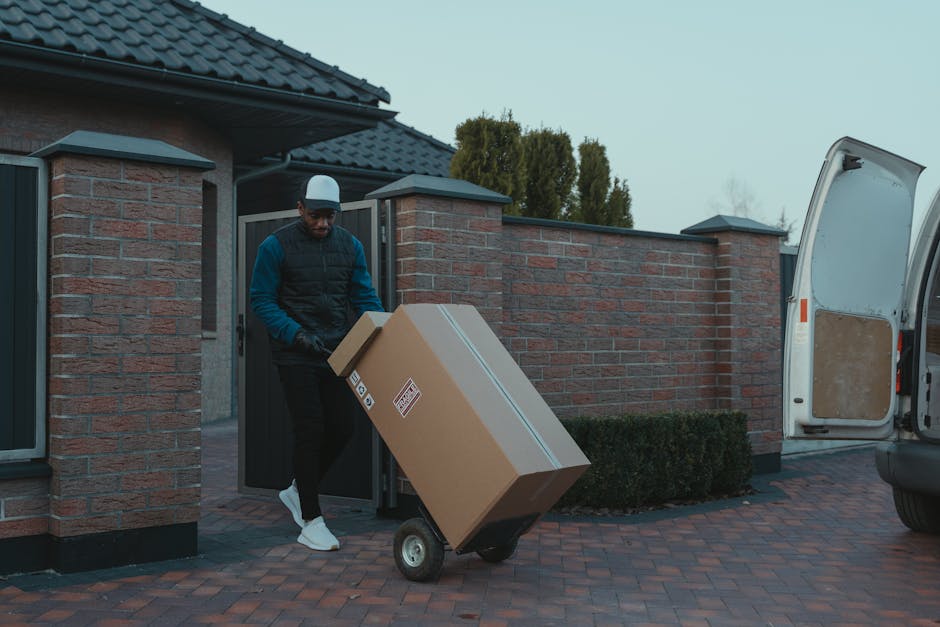
Harlesden house move checklist man with van Brent
Posted on 17/07/2026
Harlesden House Move Checklist Man with Van Brent
If you are planning a move in Harlesden, the last thing you want is that sinking feeling at 7am when the tape has vanished, the kettle is still plugged in, and the keys are already waiting across town. A Harlesden house move checklist man with van Brent is the kind of practical help that turns a messy moving day into something you can actually manage. It is part planning guide, part local moving reality check, and part sanity saver.
In this guide, you will find a clear checklist, step-by-step moving advice, common mistakes to avoid, and a simple way to think about the right service for your move. Whether you are leaving a family house, a terrace, or a smaller flat nearby, the aim is the same: fewer surprises, safer handling, and a move that feels organised rather than chaotic. Let's face it, moving is tiring enough without discovering your sofa will not fit through the door five minutes before the van arrives.

Why Harlesden House Move Checklist Man with Van Brent Matters
A house move sounds simple on paper. Pack things, load the van, drive, unload. But anyone who has actually moved knows there are a hundred little tasks hiding between those steps. The checklist matters because it stops the small things becoming big problems.
In Harlesden, that can mean planning around residential streets, parking limitations, tight access, and the general reality of London moving day traffic. A well-structured checklist helps you think ahead about boxes, fragile items, furniture dismantling, lift access if relevant, and where the van can safely stop. If you are using a man with van Brent service, the checklist also helps the mover understand what is being transported, how much space is needed, and whether extra hands or a larger vehicle might be sensible.
Truth be told, the best moving days usually look boring. That is a compliment. No panic. No last-minute box hunting. No mystery items floating loose in the back of the van. Just a calm sequence of tasks that has already been thought through.
Expert takeaway: A moving checklist is not just admin. It is a risk-reduction tool. It protects your time, your belongings, and your nerves.
How Harlesden House Move Checklist Man with Van Brent Works
The process is straightforward, but only if you break it down into stages. A good checklist works before, during, and after the move.
1. Before moving day
This is where most of the value sits. You confirm dates, sort belongings, label boxes, decide what is being moved, and set aside essentials. You should also check whether your furniture needs dismantling and whether any bulky items need special handling. If you are moving from a flat, you may also want to think about stairwells, loading times, and how many trips the van might need to make.
2. On moving day
On the day itself, the checklist keeps everyone in the same rhythm. Boxes are loaded in a sensible order, delicate items are protected, and the heaviest furniture is handled first. A competent mover will usually work from the most practical loading plan rather than simply filling space at random. That sounds obvious, but in moving, obvious is often where people go wrong.
3. After arrival
Once the van reaches the new property, you need a plan for unloading. Rooms should be identified in advance. Labels matter here. If boxes are marked clearly, you avoid the classic scene of opening three kitchen boxes before finding the cutlery. Been there, regrettably. Also, if there are items going into storage, keep them separate so they do not disappear into the wrong room.
If you need broader support beyond a single van-and-driver arrangement, it can help to review the available removal services overview so you can judge whether your move needs packing help, furniture handling, or a more complete service.
Key Benefits and Practical Advantages
A checklist might sound like a small thing. It is not. It gives you control when everything else feels a bit out of hand.
- Fewer forgotten items: You are less likely to leave behind chargers, documents, keys, or important paperwork.
- Safer lifting and loading: Heavy items are handled with more care when they are planned in advance.
- Better timekeeping: You can estimate how long packing and loading will actually take.
- Less damage risk: Fragile items are packed and labelled before the rush begins.
- Clearer communication: Everyone knows what is moving, what is staying, and what needs special attention.
- Reduced stress: This one is obvious, but worth saying. A tidy plan makes the whole day feel less overwhelming.
There is also a commercial benefit. When you speak to a mover with a clear checklist, the quote and the service recommendation are usually more accurate. That matters if you are comparing house removals Brent options against a lighter, more flexible van service.
Who This Is For and When It Makes Sense
This kind of move checklist is especially useful if you are:
- moving from a family home in Harlesden
- relocating from a flat with stair access or limited parking
- downsizing and need help deciding what to keep, store, or donate
- moving with a fairly small to medium load
- trying to move quickly without the overhead of a larger removal crew
- booking a same-day or short-notice move
It also makes sense for renters whose move-out deadline is tight. If the property handover is in the afternoon and the van slot is in the morning, organisation is everything. For students, professionals, or anyone shifting between Brent locations, a checklist can be the difference between a controlled move and a slightly frantic one. Nothing wrong with a bit of hustle, but not when your lamp is wrapped in a bedsheet and balanced against a mirror.
For people moving smaller homes or flats, it may also be worth comparing a van-based approach with a more specific flat-focused service such as flat removals Brent.
Step-by-Step Guidance
Here is the simplest practical way to handle a Harlesden house move with a van service.
- Confirm the moving date early. A clear date helps you lock in packing, cleaning, and access arrangements.
- List everything that is going. Walk room by room and write down the bulky, fragile, and essential items.
- Declutter before packing. Move only what you actually want. No point hauling four old cables and a chair you never use.
- Source the right packing materials. Boxes, tape, wrapping paper, and marker pens are basic essentials.
- Pack by room and label clearly. Write the destination room and a short description on each box.
- Separate fragile items. Glassware, lamps, ornaments, and electronics should be packed carefully and not buried under heavy books.
- Prepare furniture for loading. Remove drawers where practical, secure loose parts, and dismantle larger items if needed.
- Reserve access space if possible. Make sure the loading point is realistic for the van and safe for carrying.
- Keep essentials with you. Documents, medication, keys, chargers, and a kettle kit should not go in the back of the van if you will need them straight away.
- Do a final walk-through. Check cupboards, loft access, under beds, and behind doors before you leave.
If you need packing support, you can also look at packing and boxes Brent for the kind of preparation that makes moving day far smoother.
A simple room-by-room rhythm
One thing that helps a lot: pack one room at a time. Do not mix the kitchen with the bedroom because you are tired and "it will sort itself out later." It will not. Later is where problems breed.
Start with the least-used rooms. Finish with essentials. Keep a small bag of first-night items separate. That bag should include toiletries, clean clothes, phone chargers, prescriptions if relevant, and any documents you need immediately.
Expert Tips for Better Results
A few small habits make a moving day feel noticeably easier.
- Photograph cable setups before unplugging them. This saves time when setting up the TV, router, and speakers later.
- Use colour labels. Even simple coloured stickers can speed up unloading.
- Protect corners and edges. Tables, mirrors, and framed items usually suffer from corner knocks first.
- Keep heavy items low in the load. It improves stability and reduces shifting in transit.
- Measure awkward items first. Doorways, stair bends, and large sofas are where problems often appear.
- Leave a clear path to the exit. Shoes, bins, and random bits on the floor become hazards very quickly.
One useful local habit, especially in busy Brent streets, is to keep communication short and clear with the mover. If access is awkward, say so early. If a piece is unusually heavy, mention it. If the parking situation is a little uncertain, admit that too. Better an honest five-minute conversation than a stressful twenty-minute shuffle at the curb.
For larger or awkward furniture, it can help to check whether a dedicated furniture removals Brent service is the better fit.
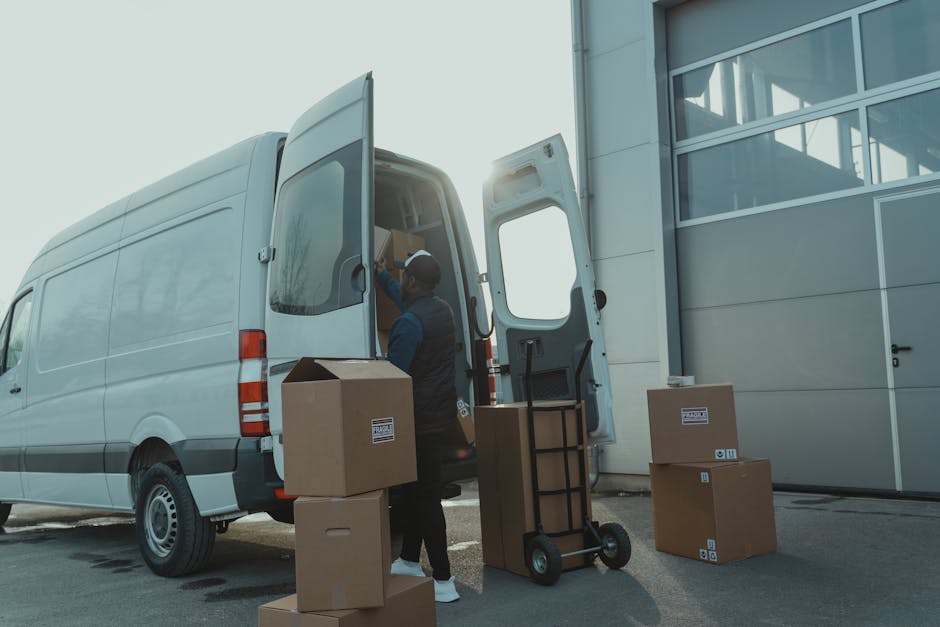
Common Mistakes to Avoid
Most moving mistakes are boring, predictable, and completely avoidable. Which is annoying, because that means they really can be prevented.
- Leaving packing until the night before. This usually leads to overfilled boxes and forgotten items.
- Using weak boxes. Flimsy boxes split at the worst possible moment.
- Overloading boxes with books. A small box full of books can become surprisingly brutal to lift.
- Not measuring large furniture. This is how people end up stuck halfway through a doorway.
- Failing to label boxes properly. Unlabelled boxes create delays at both ends of the move.
- Ignoring parking or access issues. A brilliant packing job will not help if the van cannot get close enough.
- Forgetting to set aside essentials. The first night in a new place is no time to hunt for toothbrushes.
Another common one: underestimating the time needed to empty cupboards and wardrobes. It always takes longer than you think. Always. That is just moving, being moving.
Tools, Resources and Recommendations
You do not need a mountain of equipment, but the right basics make a huge difference.
- Strong double-walled boxes for heavier or fragile items
- Packing tape and a dispenser to keep things moving
- Marker pens for labels and room names
- Bubble wrap or paper wrap for glass, ceramics, and ornaments
- Furniture blankets for tables, wardrobes, and screens
- Zip bags for screws, brackets, and fittings
- Tool kit for dismantling and reassembly
- Trolley or sack barrow if you have heavier items and suitable access
If you are unsure how much packing support you need, reviewing the range of removal services Brent can help you decide whether to do it yourself or bring in extra help.
For customers who need temporary holding space between properties, storage Brent can be a practical bridge when dates do not line up neatly. And to be fair, they often do not line up neatly.
Law, Compliance, Standards, or Best Practice
For most household moves, there is no complicated legal process. Still, good practice matters. In the UK, moving companies should operate safely, handle goods with reasonable care, and communicate clearly about the service being provided. You should also expect sensible respect for access, property, and personal data such as names, addresses, and contact details.
It is also sensible to think about safety standards in practical terms. Heavy lifting should be done carefully. Pathways should be kept clear. Loads should be secured so items do not shift. If a mover is working on your property, they should understand basic safety expectations and use equipment appropriately.
When you are checking a company, a few trust markers are useful: clear pricing information, transparent terms, an understandable complaints process, and an accessible explanation of safety and insurance practices. For that reason, it can be useful to review pages such as insurance and safety, payment and security, and the terms and conditions before booking. Those pages help set expectations in a very ordinary but important way.
If you are moving personal information or unwanted paperwork, keep privacy in mind. Not glamorous, I know, but old bank statements and address labels should not just be left in a box near the pavement. Shred or secure them first.
Options, Methods, or Comparison Table
Choosing between a man and van move and a more full-service removal approach depends on the size, speed, and complexity of your move. Here is a simple comparison.
| Option | Best for | Strengths | Trade-offs |
|---|---|---|---|
| Man with van | Smaller house moves, flats, short-distance local relocations | Flexible, practical, often efficient for modest loads | May need more packing and preparation from you |
| House removals service | Larger homes, fuller inventories, more complex moves | Broader support and more hands available | Usually more coordination required |
| Flat removals service | Apartment moves with stairs, lifts, or access constraints | Better suited to compact properties and urban access | Not always necessary if the load is very small |
| Storage plus move | Moves with date gaps or temporary downsizing | Useful when keys, contracts, or refurbishments delay full delivery | Requires more planning and possibly multiple stages |
If your move is more like a classic family relocation, a broader house removals Brent solution may be more suitable. If you are just shifting a few rooms' worth of belongings, a van-based service is often the sensible, less fussy choice.
Case Study or Real-World Example
Picture a typical Harlesden move on a damp Friday morning. Not dramatic weather, just the sort of grey London morning where the pavement looks slightly shiny and everyone is moving a bit faster than usual. The customer has a two-bedroom house, a large sofa, six packed boxes of books, kitchen equipment, a bed frame, and a handful of fragile items.
Instead of loading at random, the move starts with the checklist. The bed is dismantled first. Screws go into a labelled bag. Kitchen boxes are kept separate from books. Fragile items are wrapped and marked clearly. The first-night bag is placed in the cab rather than the back. The result? Less searching, less lifting back and forth, and fewer "Where did we put the lamp?" moments.
That is the real value of the checklist. It does not make moving fun. Nothing does. But it does make the process feel controlled, and that changes everything.
If you want a local perspective on the area as well as the moving process, this Brent neighbourhood guide can be useful: living in Brent locals insight. For those interested in a wider sense of the area, there is also a thoughtful piece on Brent itself at wandering through wonderment and getting to know Brent.
Practical Checklist
Use this as your working list in the days leading up to the move.
- Confirm move date and access details
- Check whether parking or loading space is needed
- Sort what is staying, going, or going into storage
- Collect boxes, tape, labels, and wrapping materials
- Pack non-essential items first
- Label every box with room and contents
- Wrap fragile items individually
- Dismantle large furniture where necessary
- Bag screws, fittings, and small parts together
- Set aside a first-night essentials bag
- Back up devices and photograph cable arrangements
- Defrost fridge and freezer if relevant
- Check cupboards, loft spaces, and under beds before leaving
- Keep keys, documents, and medication close by
- Walk through both properties before and after loading
Quick practical reminder: if you are moving things for a student, a compact flat, or a smaller household load, a specialist moving page such as student removals Brent can be helpful even if you are not a student yourself. It often matches the scale of the move better than a larger service.
Mini summary box: The best checklist is the one you actually use. Keep it visible, keep it short enough to follow, and keep the essentials separate. That is the trick, really.
Get a free quote today and see how much you can save.
Conclusion
A Harlesden move does not need to feel like a scramble. With a clear checklist, sensible packing, and the right man with van approach, you can keep the day steady and manageable. The real win is not just getting items from one address to another; it is knowing where everything is, what is fragile, and what matters most once you arrive.
If you are comparing providers, it is worth understanding the company behind the service too. Reading about the team can help you judge whether the approach feels right for your move. And if you want to speak directly about your plan, get in touch here when you are ready.
One calm box at a time. That is usually how good moves begin.